I Can’t” to “I Can”: The Fine Line Between Rescuing and Truly Empowering
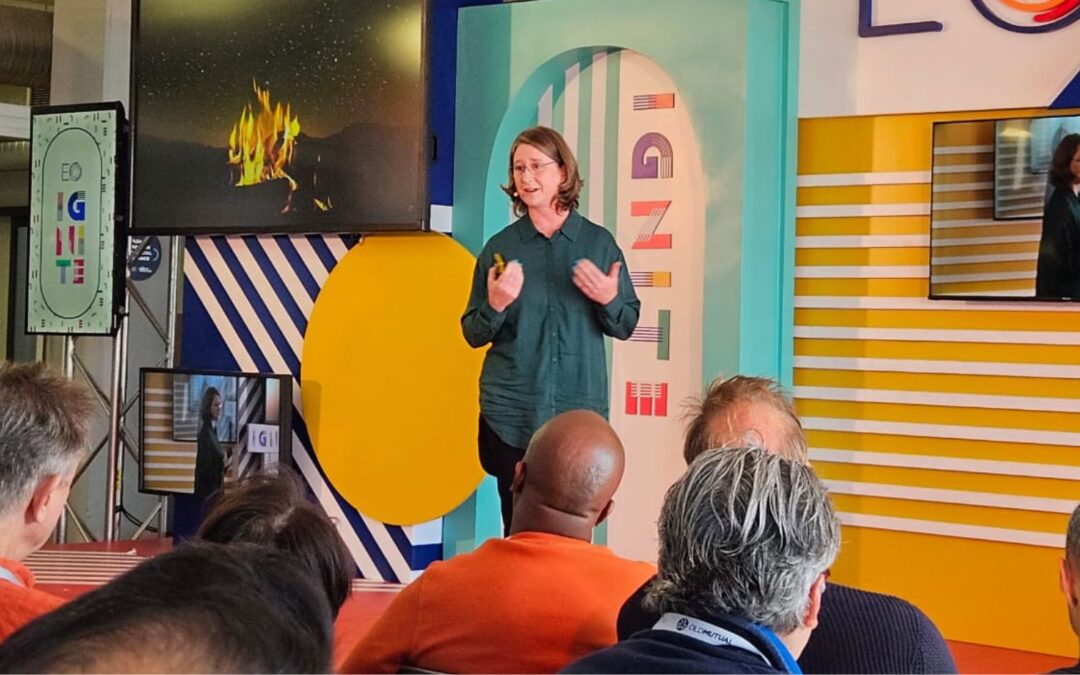
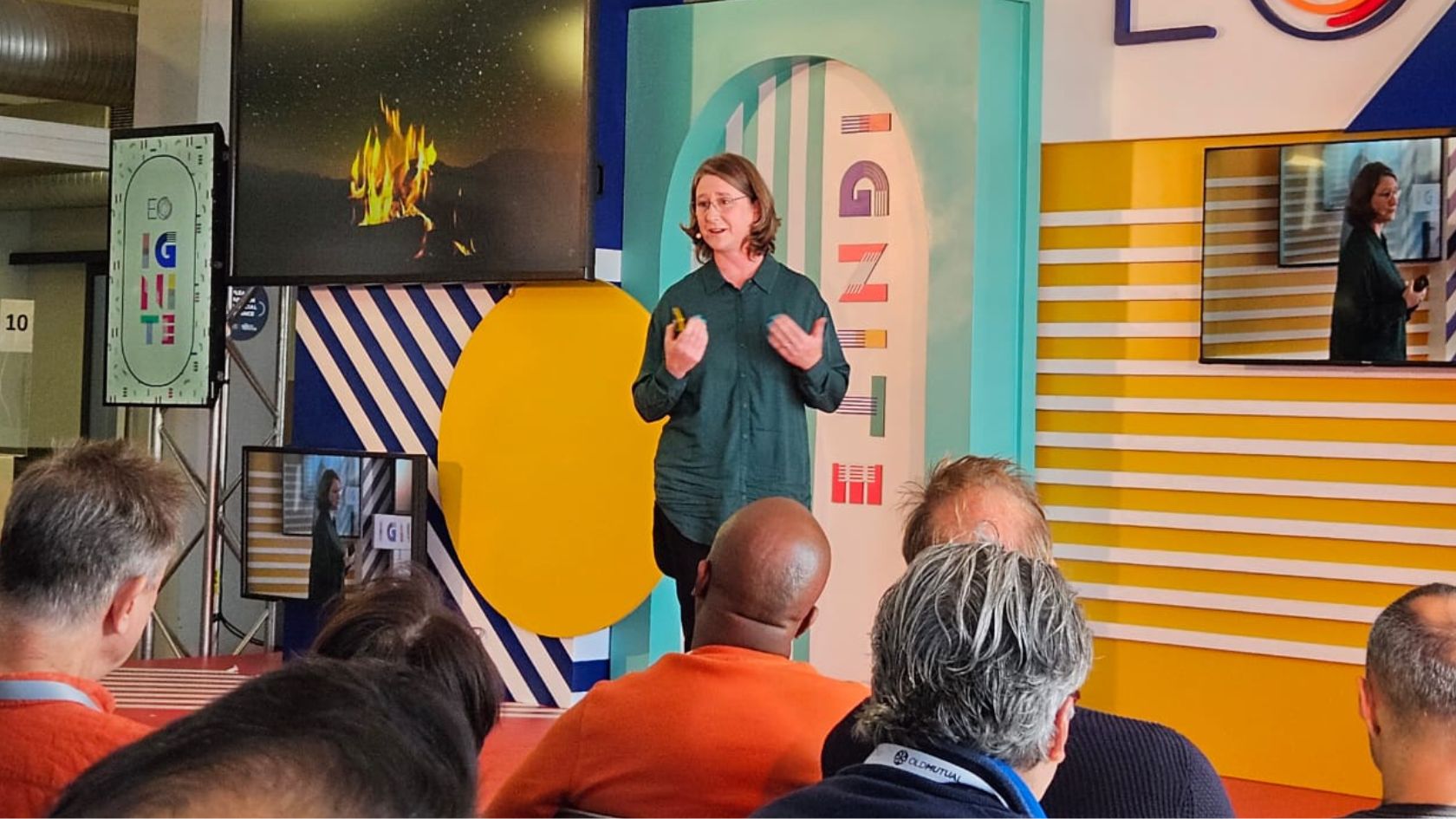
Last week, I had a profoundly thought-provoking experience. Thanks to a visit with EO Cape Town to the organization Taking Care of Business (TCB), I was introduced to the incredible work of Tracey Chambers and her team. TCB is a powerful engine for social change, taking discarded items from major retailers—clothing, homeware, electronics—and transforming them into possibility.
But it’s not just the products that get a second chance. It’s the people. TCB trains budding entrepreneurs in townships and communities, equipping them with the dignity and skills to build their own businesses. The model is inspiring, but it was a single sentence from Tracey that truly stopped me in my tracks and has been echoing in my mind ever since.
The Three-Handout Rule: A Shift in Perspective
During our visit, Tracey shared a core principle of their philosophy: “Three handouts equal entitlement.”
Let that sink in for a moment. She explained that every time we rush to “rescue” someone, we might be doing more harm than good.[1] We might be unintentionally reinforcing a moment of helplessness, a feeling of “I can’t.” And after just three of these experiences, that feeling can shift into a mindset of entitlement. The belief that someone else is responsible for solving our problems can become ingrained.
This is the classic dilemma of giving someone a fish versus teaching them to fish, but with a deeper psychological layer. It’s not just about skills; it’s about fostering self-belief and agency.
Creating “I Can” Moments
The alternative, and the core of TCB’s incredible impact, is to consciously create “I-can” moments.
Instead of stepping in to solve the problem, the goal is to hand back control. It’s about creating an environment where people can rediscover their own resourcefulness, strength, and capability. An “I-can” moment is when a person, perhaps with guidance and support, navigates a challenge and comes out the other side realizing they had the power to do it all along.
This is the essence of true empowerment. It’s a shift from being a rescuer to being a facilitator of growth. It’s messier, it requires more patience, and it’s not always as immediately gratifying as simply providing a quick fix. But the outcome is far more profound: it builds resilience, confidence, and long-term independence.[5]
A Truth Serum Reflection for Leaders, Parents, and Coaches
As a Truth Serum Coach, this concept hit home on multiple levels. It forced me to turn the mirror on myself and ask some honest questions:
As a leader: Where am I tempted to jump in and fix a problem for my team, robbing them of a crucial learning experience? How can I create a safe space for them to try, and even fail, in order to build their own “I can” muscles?
As a parent: When do I intervene to make my child’s life easier, when I should be stepping back to let them develop their own problem-solving skills?
As a coach: How do I ensure I am always empowering my clients to find their own answers, rather than simply handing them my own?
The shift from rescuing to empowering isn’t always comfortable. It means watching people struggle momentarily. It means resisting the ego-driven urge to be the hero. But it is the only way to genuinely help people grow.
Your Turn: Where Can You Create an “I Can” Moment?
This is a challenge I want to extend to you. Think about your week ahead. In your professional life, in your family, or even in your own journey of self-leadership, where are you defaulting to an “I can’t” mindset for yourself or others?
Where is there an opportunity to step back, ask a powerful question instead of giving an answer, and create the space for an empowering “I can” moment?
I’d love to hear your thoughts.